Rembrandt van Rijn
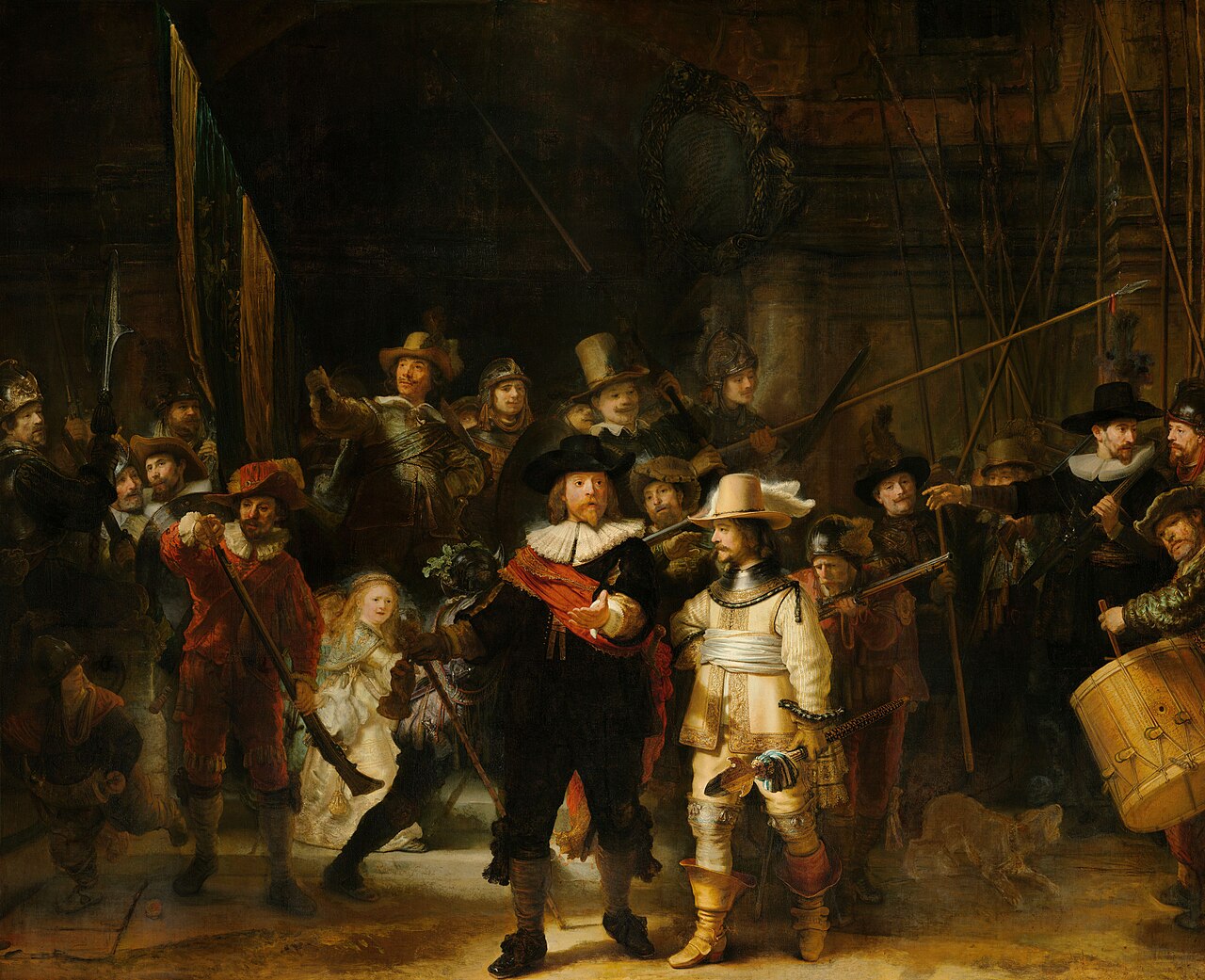
The Night Watch
A crowd of different movements replaces an orderly row of portraits.
Read the artwork essayCURATED IN SEOUL
INSPIRED BY EUROPE
Rembrandt van Rijn · c.1668
Spend time with the kneeling body and the two hands resting above it.
Reading color and composition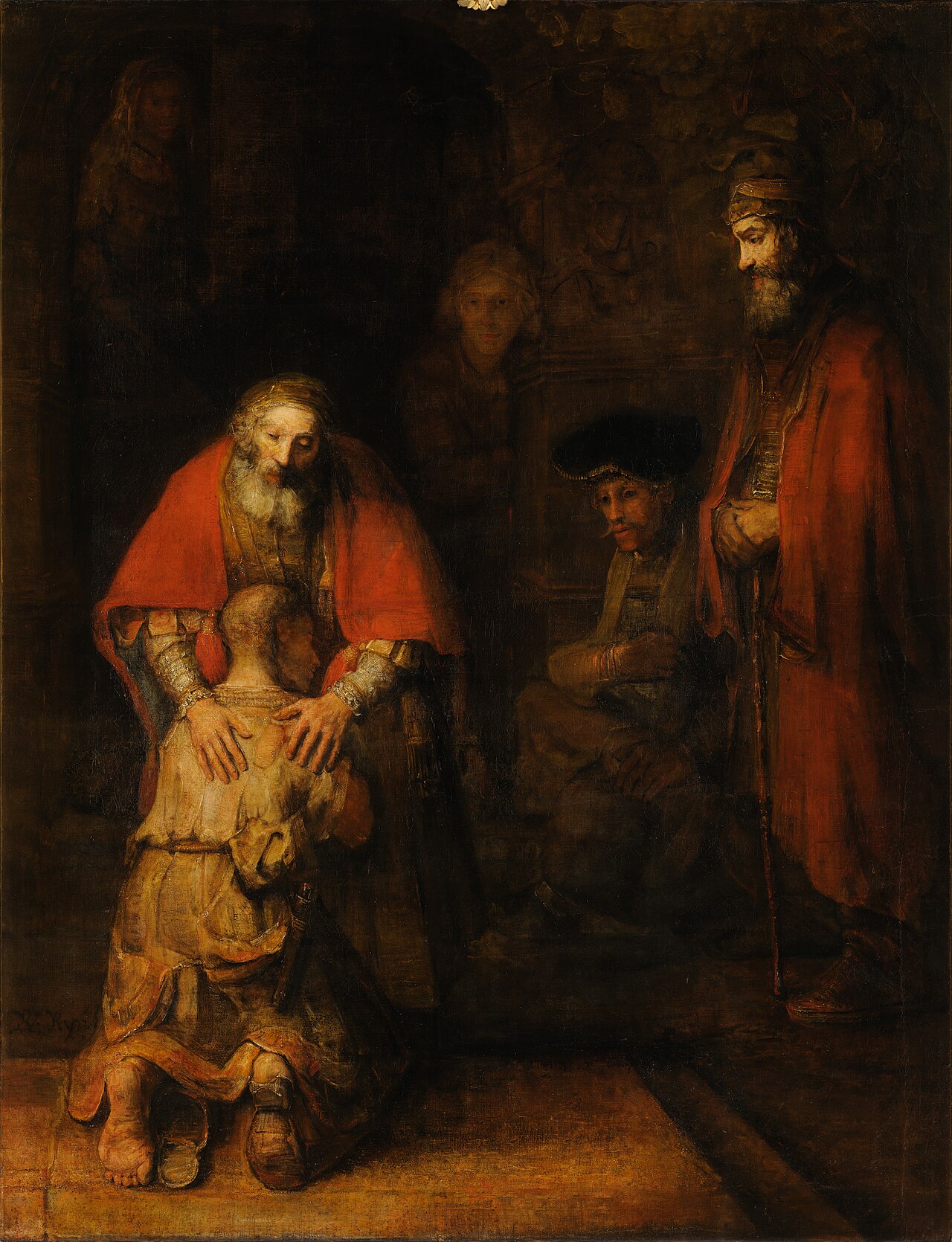
Reading color and composition
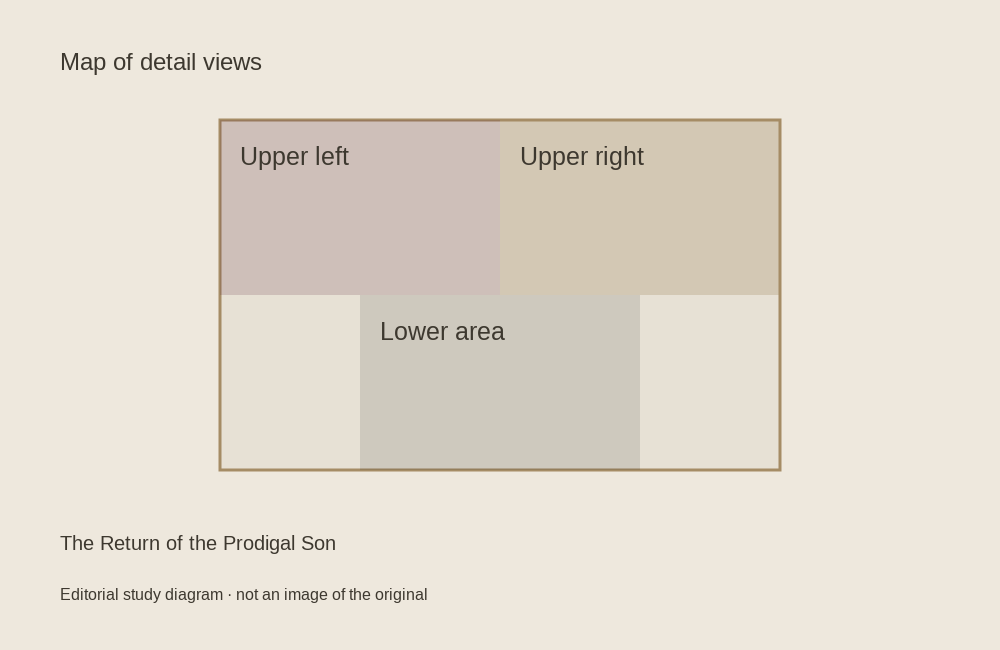
Move down from the father’s hands to the son’s shoulders and back. A relationship emerges without a fully frontal face. Differences in bodily height give the meeting weight even though the scene contains little large-scale movement.
Other figures remain faint within the surrounding darkness. Instead of demanding equal clarity from each, compare the distance created by the bright centre and indistinct edges. Descend to the son’s feet and worn footwear: bodily condition becomes visible in a different way from facial emotion.
Discussion of color and composition is the editorial team’s interpretation, not a claim to establish the artist’s intentions.
Rembrandt van Rijn
Held by the Hermitage, the painting is generally dated about 1668.
His kneeling posture, back, feet and the touching hands convey the relationship.
The visual difference between centre and surroundings already offers a starting point.
Official artwork record · State Hermitage Museum, Saint Petersburg
Image source and usage terms · Public domain · Rembrandt