Leonardo da Vinci
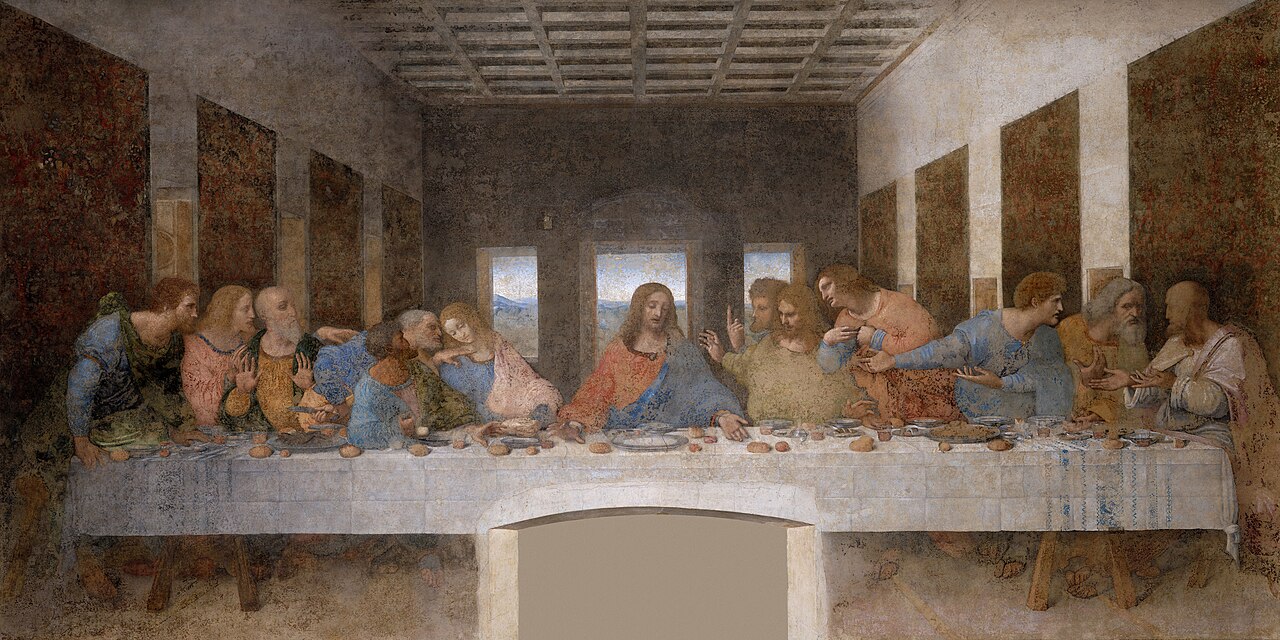
The Last Supper
A still center holds together a table full of moving hands and turning bodies.
Read the artwork essayCURATED IN SEOUL
INSPIRED BY EUROPE
Leonardo da Vinci · 1503–1519
Begin with the hands, then let the portrait’s softened edges guide your gaze.
Reading color and composition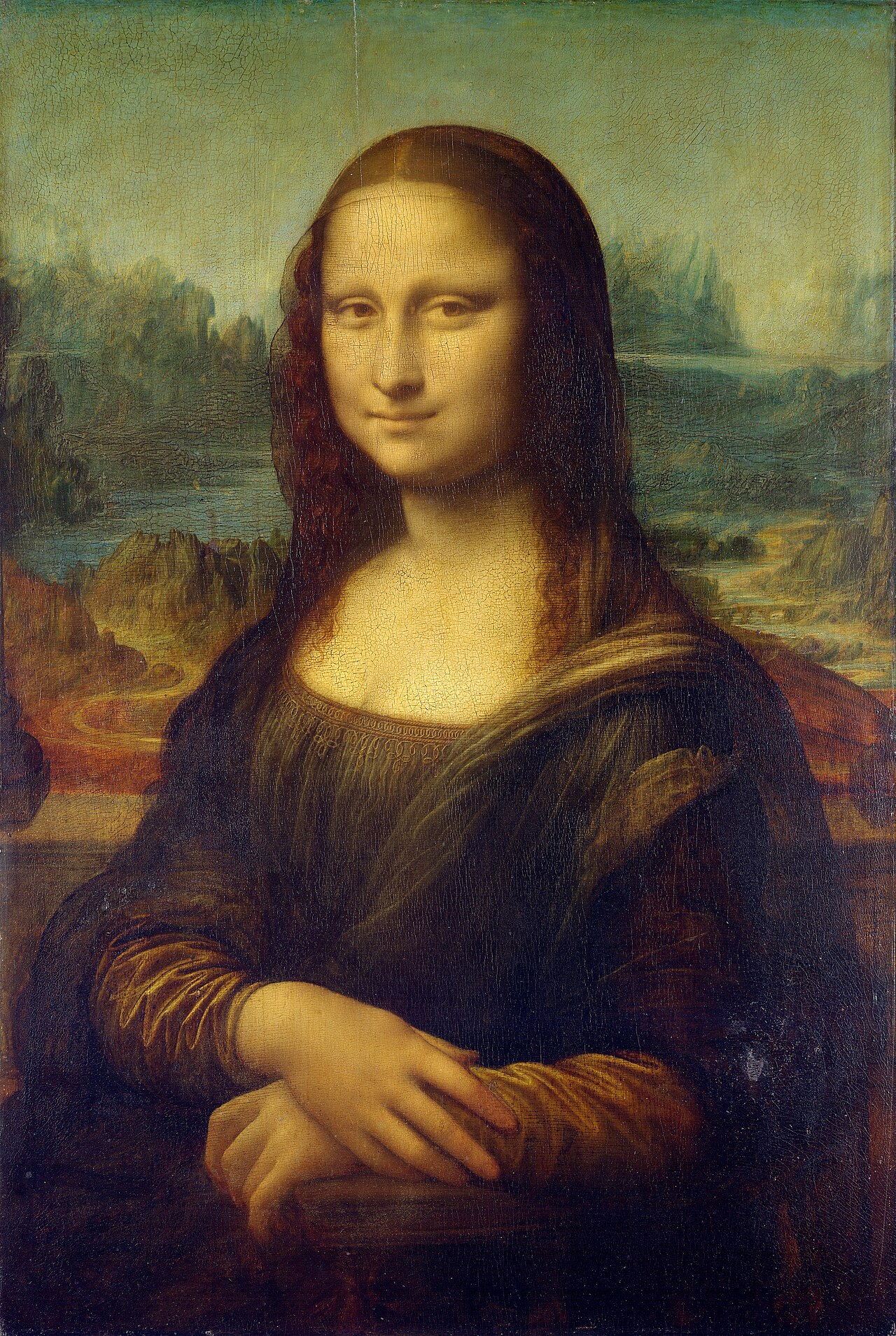
Reading color and composition
Follow the broad triangle from the head to the hands. The dark clothing steadies this shape, while small highlights on the fingers give the foreground a quiet weight. Try looking at the hands before returning to the face.
The boundaries around the mouth and eyes resist a hard outline. Compare these soft transitions with the distant paths and water: the picture changes between a nearby human presence and a world that seems difficult to measure.
Discussion of color and composition is the editorial team’s interpretation, not a claim to establish the artist’s intentions.
Leonardo da Vinci
The Louvre identifies the sitter as Lisa Gherardini.
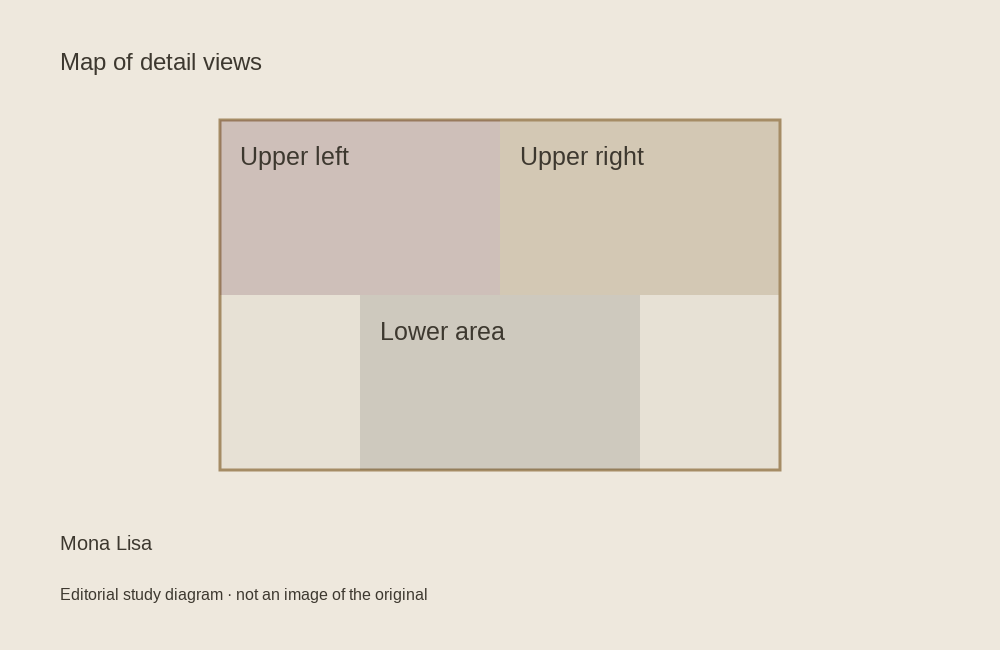
No single feeling can be established from its appearance alone; describe the changing shadows before assigning an emotion.
Compare its curving routes with the figure’s still pose; it changes the portrait’s sense of distance.
Official artwork record · Musée du Louvre, Paris
Image source and usage terms · Public domain · Leonardo da Vinci